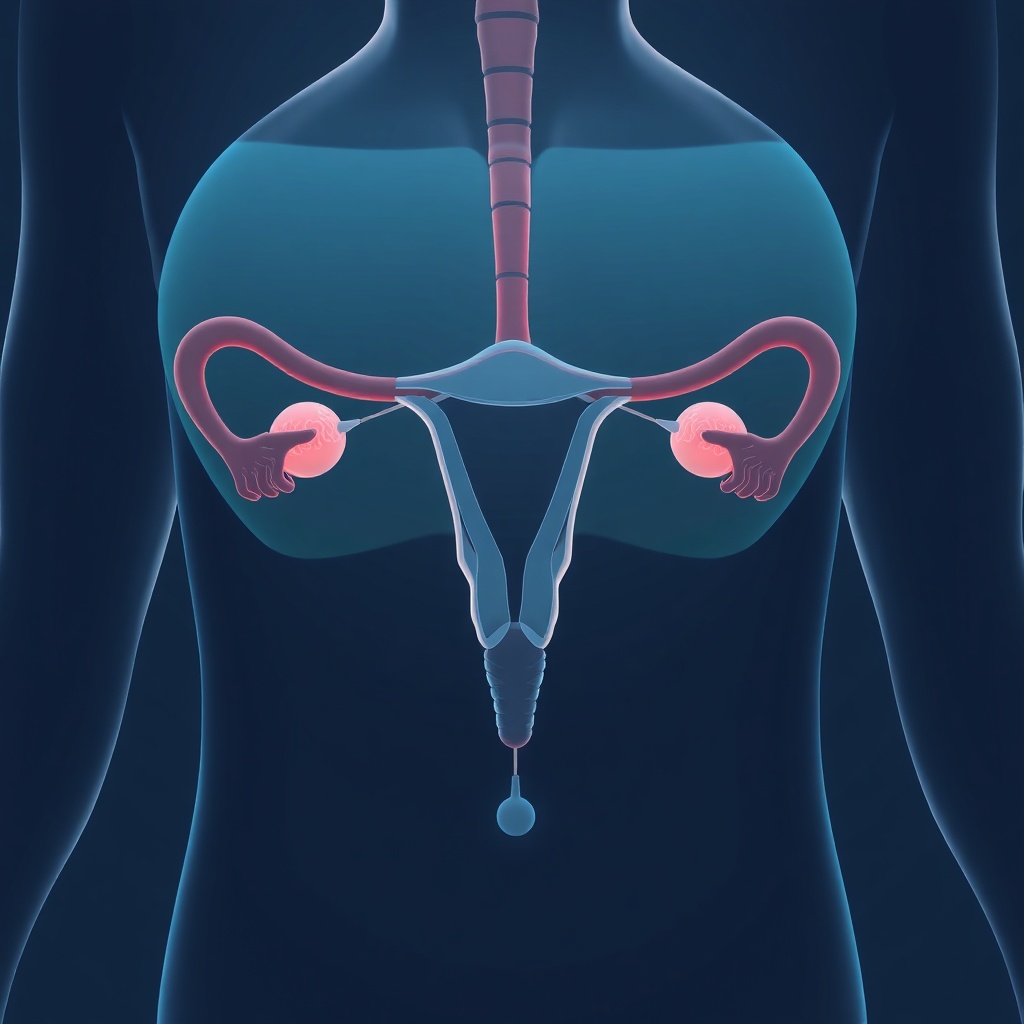
Potency refers to a person’s ability to achieve and maintain an erection and to experience satisfying sexual activity. It is influenced by physical health, hormones, circulation, nerve function, and psychological factors. Variations over time are common and do not always indicate a medical problem.
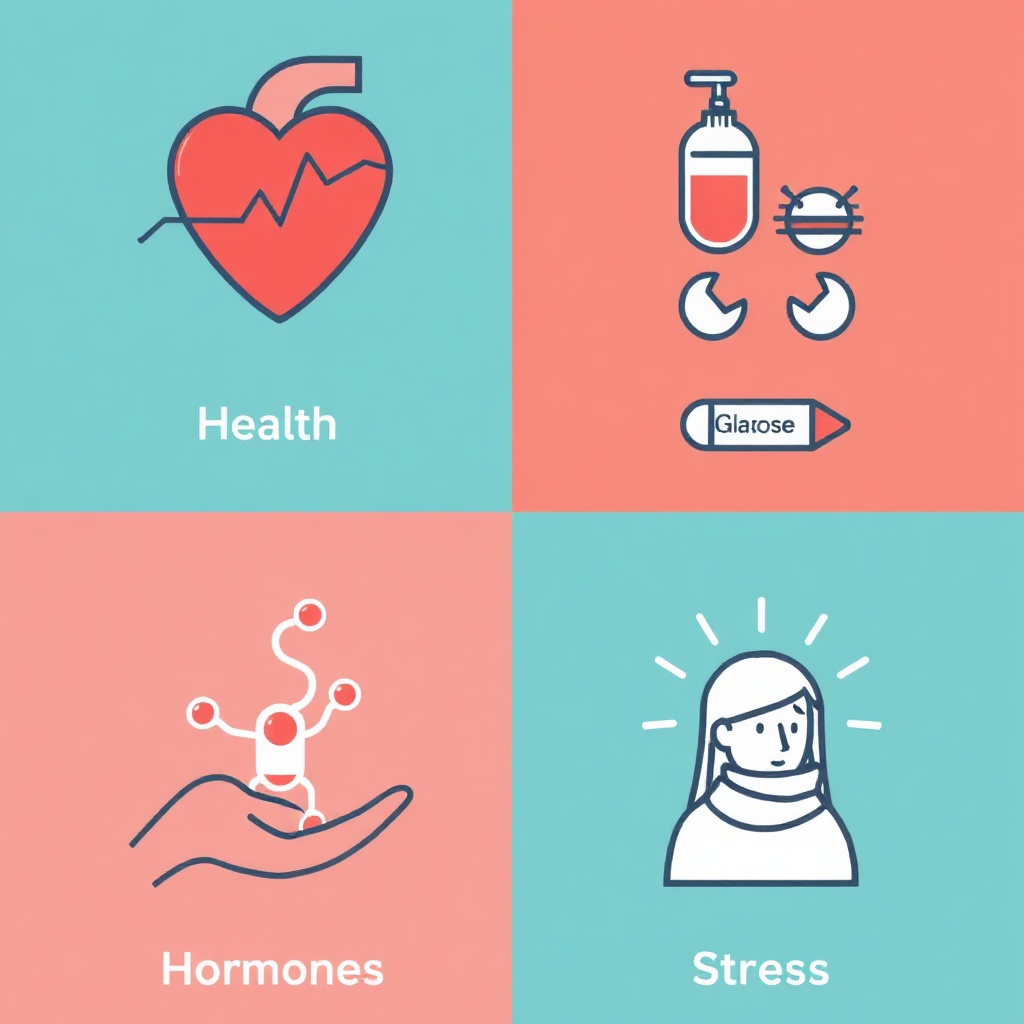
Reduced potency can result from vascular disease, diabetes, hormonal imbalances, certain medications, neurological conditions, chronic illness, substance use (alcohol, tobacco), sleep disorders, stress, anxiety, and relationship issues. Often more than one factor contributes.
Talk with a primary care doctor or urologist if problems are persistent or causing distress. A clinician will review medical history, medications, and perform a physical exam. Basic tests may include blood glucose, lipid panel, and hormone levels. Psychological or relationship factors may also be assessed. Early evaluation can identify treatable causes.
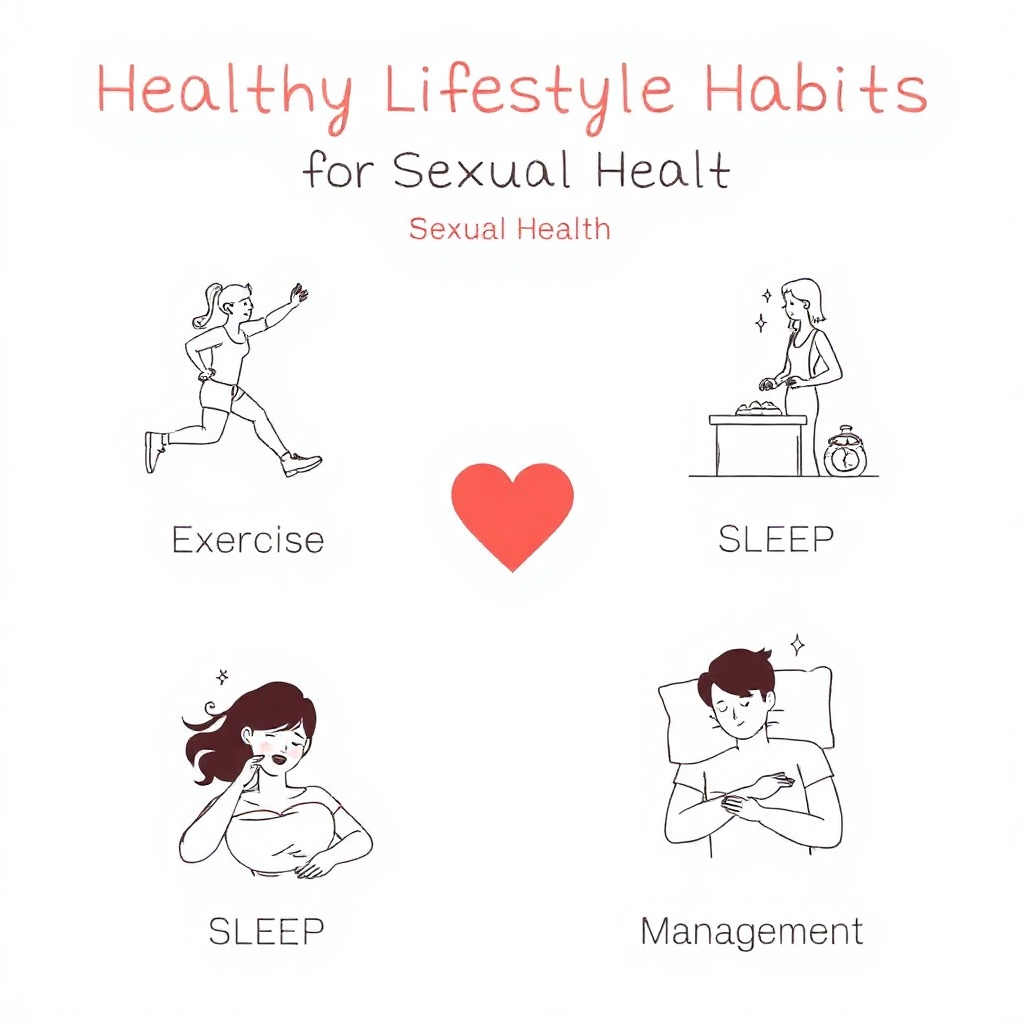
Lifestyle changes—regular exercise, balanced diet, adequate sleep, quitting smoking, and limiting alcohol—can support sexual health. Addressing stress and mental health through counseling or therapy helps when psychological factors play a role. A provider can review medications and discuss evidence-based treatments when appropriate. Results vary by cause; discuss options and risks with a healthcare professional.

Potency generally refers to male sexual function, including libido (sexual desire) and the ability to achieve and maintain an erection sufficient for sexual activity. It’s influenced by physical, hormonal, and psychological factors and can change over time.
Reduced sexual function can result from a mix of causes: cardiovascular disease, diabetes, low testosterone, certain medications, stress, anxiety or depression, smoking, excessive alcohol use, obesity, and poor sleep. Aging can also play a role, but issues at any age deserve attention.
Improving overall health often supports sexual function. Consider regular physical activity, a balanced diet, maintaining a healthy weight, quitting smoking, limiting alcohol, getting adequate sleep, and managing stress. These changes can improve general health and may have a positive effect on potency.
If concerns persist, a healthcare provider can evaluate underlying causes with history, physical exam, and tests (blood pressure, blood glucose, hormone levels). Treatments vary and can include prescription medications, hormone therapy when appropriate, devices, or counseling for psychological causes. Discuss benefits, risks, and side effects with your provider—there are no universal guarantees.
See a clinician if you experience persistent changes in sexual function, sudden onset of problems, or if sexual difficulties are affecting your relationships or mental health. Also seek prompt care for symptoms like pain, bleeding, or other worrying signs. Your primary care doctor, a urologist, or a mental health professional can help determine next steps.
Male potency refers to the ability to achieve and maintain sexual function. It can be influenced by physical factors (cardiovascular health, hormones, medications), mental health (stress, anxiety, depression), and lifestyle (diet, exercise, smoking, alcohol). If you have concerns, talk with a licensed U.S. healthcare provider—simple evaluations can identify causes and appropriate, safe treatment options alongside lifestyle changes.